Babe with Daisy Flowers Embroidery Review
As an experienced embroidery designer who spends weekends navigating the bustling aisles of craft fairs and handmade markets, I have learned one hard truth: your design must speak to the customer before they even touch the product. When I pulled up Babe with Daisy Flowers, my first instinct was to evaluate its potential not just as a digital file, but as a tangible, sellable item on a crowded booth table. This review breaks down exactly how this design performs in the real world of small business production.
First Impressions and Aesthetic Appeal
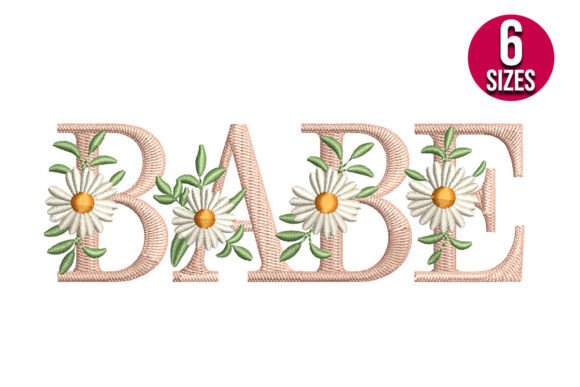
The title alone suggests a blend of modern attitude and soft, feminine charm. The description highlights a "stylish font" paired with a "lovely spray of daisies." In the context of current market trends, this hits a sweet spot between farmhouse rustic and contemporary chic. It is not overly ornate, which is crucial for mass appeal, nor is it too minimal to lack character.
Visually, Babe with Daisy Flowers feels approachable. The word "Babe" carries a playful, affectionate tone that resonates well with gifts for wives, girlfriends, or best friends. The daisy spray adds a layer of organic texture that breaks up the rigidity of the lettering. For a craft fair seller, this combination is powerful because it offers emotional value. Customers are drawn to designs that feel personal yet stylish. This design does not scream; it whispers elegance, which often translates to higher perceived value at point-of-sale.
Product Versatility for Market Sellers
The true test of any machine embroidery design is its versatility across different substrates. Here is how Babe with Daisy Flowers translates into physical handmade products:
- Tote Bags: This is perhaps the strongest application. Placing the design centrally on a canvas tote or off-center on a smaller market bag allows the daisy spray to frame the text beautifully. The contrast of sturdy cotton canvas against smooth embroidery thread makes the design pop. It is a classic tote bag design that sells year-round.
- Aprons and Tea Towels: For kitchen-themed booths, this design works exceptionally well on white or cream aprons. The daisies add a fresh, spring-like vibe that appeals to home cooks and bakers. On tea towels, the design can be scaled down slightly to serve as a charming accent near the hem, creating a delightful surprise for the user.
- Caps and Hats: The curved surface of a baseball cap or structured hat presents a challenge. However, if the hoop size and digitizing allow for a compact layout, this design can look premium on dad hats or fitted caps. The key here is ensuring the lettering remains legible despite the curve.
- Patches and Pouches: If the design includes a clean edge or can be easily bordered, it makes for a fantastic embroidered patch. These can be sold separately or sewn onto denim jackets and backpacks. Small fabric pouches also benefit from this scale, offering a cute storage solution for makeup or keys.
- Pillow Covers: For home decor sections, a square pillow cover featuring this design exudes cozy elegance. It fits perfectly in nursery decor or guest room styling, appealing to buyers looking for finished gift items.
Production Practicality and Batch Efficiency
From a production standpoint, efficiency is money. Does Babe with Daisy Flowers lend itself to batch production? Generally, yes. The design appears to have a balanced stitch count without excessive fill areas that would slow down the machine significantly. This means you can produce multiple units in a shorter timeframe, increasing your profit margin per hour.
However, there are practical considerations regarding stitch density. If the daisy centers are densely stitched, ensure your machine is calibrated correctly to prevent puckering. For thin fabrics like tea towels, a cut-away stabilizer is non-negotiable to maintain structure. For heavier fabrics like denim or thick canvas, a tear-away or wash-away stabilizer might suffice depending on the final hand-feel you desire.
Photography is another critical factor. This design photographs well because the contrast between the thread colors and the typical neutral backgrounds (white, beige, grey) used in mockups is high. When creating printable mockups for your Etsy shop or social media, the daisies provide visual interest that stops the scroll. The "Babe" text is bold enough to be read quickly on mobile devices, which is essential for online conversion.
Design Clarity and Scale Considerations
While the design is versatile, caution is advised when scaling. Tiny details in the daisy petals may lose clarity if the design is reduced too much for small accessories like keychains or zipper pulls. Always inspect the embroidery file at 50% scale to ensure the lettering remains distinct. If the font has thin serifs or intricate cuts, these areas are prone to thread breaks or loss of definition on textured fabrics.
Furthermore, consider the background fabric color. Dark fabrics will require a dense underlay and potentially a top stabilizer to prevent the thread from sinking into the weave. Light fabrics offer more flexibility but may show stabilizer residue if not removed carefully. Testing on scrap fabric is the only way to confirm how the specific thread colors interact with your chosen material.
Marketing and Brand Consistency
Incorporating Babe with Daisy Flowers into your brand strategy requires consistency. This design leans towards a boutique, feminine aesthetic. If your shop already features floral motifs, soft pastels, or playful typography, this fits seamlessly. It reinforces a brand identity that is warm, inviting, and thoughtful.
For Etsy sellers and digital sellers, this design can also be marketed as part of a collection. Imagine a "Spring Vibes" bundle that includes this design alongside complementary floral elements. Bundling increases average order value and gives customers more options. Additionally, using this design in design assets for printable crafts or sublimation transfers can expand your revenue streams beyond physical embroidery.
Essential Designer Notes Before Production
Before committing to a large run of commercial embroidery products, follow these professional steps:
- Test on Scrap Fabric: Never skip this step. Test the design on the exact fabric you plan to sell. Check for puckering, thread tension, and stabilizer compatibility.
- Check Thread Contrast: Ensure the thread colors stand out against the fabric. Low-contrast combinations can make the design look muddy or unfinished.
- Confirm Hoop Size: Verify that the design fits comfortably within your standard hoops to maximize efficiency and minimize re-hooping.
- Inspect Stitch Density: Look closely at the digitizing. Excessive density can cause needle breakage, while insufficient density can lead to a weak, flimsy finish.
- Create Real Mockups: Produce at least one finished product to photograph. Real-world photos build trust with buyers more than digital renders.
- Verify Licensing: Confirm that you have the right to sell finished goods made from this digital embroidery file. Commercial licenses vary by creator.
Ultimately, Babe with Daisy Flowers is a strong contender for any craft fair booth or online shop. Its blend of stylish typography and natural imagery appeals to a broad demographic. By paying attention to production details and presenting it effectively, you can turn this simple design into a standout small shop product that drives sales and builds customer loyalty.