Angista Script Medium Embroidery Font Review
As an embroidery designer who spends hours refining stitch paths and testing thread tensions, I approach every new font download with a mix of hope and skepticism. The market is saturated with "script" fonts that look beautiful on screen but fall apart under the needle. When I encountered Angista Script Medium Embroidery Font on Creative Fabrica, I was drawn in by its promise of modern elegance. But does it hold up when transferred from a digital mockup to a real customer order? In this review, I will walk you through my experience evaluating this design for commercial use, focusing on practical application, aesthetic appeal, and potential pitfalls.
First Impressions: Visual Mood and Design Personality
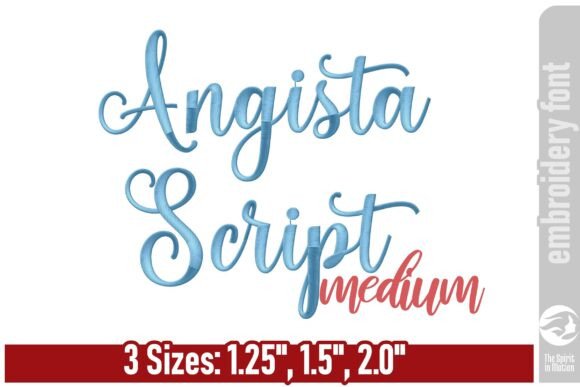
The immediate visual impact of Angista Script Medium is one of fluidity and confidence. Unlike rigid block letters or overly ornate calligraphy that can become muddy when stitched, this font strikes a balance between readability and decorative flair. It feels modern yet timeless, making it suitable for a wide range of branding styles. The flowing script design adds elegance without feeling stuffy, which is a crucial distinction for today’s handmade market.
For designers looking to create a handmade product that feels premium, the character shapes are well-proportioned. The medium weight suggests versatility; it is substantial enough to be seen clearly but not so heavy that it requires excessive stabilizer or creates a stiff, uncomfortable feel on fabric. This balance is often where lesser fonts fail, creating a "plastic" look rather than a textile-based finish.
Real-World Application: Where This Font Shines
I evaluated Angista Script Medium Embroidery Font across several common project categories to determine its true value as an embroidery file. Here is how it performed in scenarios typical for Etsy sellers and boutique owners:
- Tote Bag Design: A canvas tote is a staple item. The clean lines of Angista work beautifully here, especially when placed centrally or along the side seam. The script’s flow allows for creative word arrangements, such as wrapping text around a small icon or logo.
- Sweatshirt Embroidery: For cozy apparel, this font offers a sophisticated touch. It pairs well with minimalist designs, allowing the typography to stand out against the texture of fleece or cotton blends. It elevates a basic sweatshirt into a fashion statement.
- Baby Items and Nursery Decor: Softness is key in nursery products. The gentle curves of Angista convey warmth and care. It is ideal for personalizing baby blankets, bibs, or wooden blocks. However, caution is needed regarding scale (see below).
- Kitchen Towels and Aprons: These items benefit from clear, legible text. Angista provides a stylish alternative to standard sans-serif fonts, adding a "chef-inspired" or "homey" vibe depending on the chosen phrase. It works particularly well for seasonal greetings or family names.
- Embroidered Patch: If used for patches, the script needs to be framed carefully. The flowing tails of the letters can be easily lost if the patch border is too tight. Used with adequate spacing, it creates a high-end badge look.
Practical Considerations for Stitching Success
While the design looks stunning digitally, the reality of machine embroidery involves physics, tension, and material limitations. Here are critical factors to consider before finalizing your commercial embroidery plans.
Hoop Size and Lettering Scale
One of the most common mistakes designers make is assuming a font will read well at any size. With Angista Script Medium Embroidery Font, smaller sizes can present challenges. In very small hoop sizes, the delicate connections between letters may become indistinct or merge together, especially if the stitch density is high. Always test on scrap fabric at the exact size you intend to sell. If the letters are too close, the viewer may struggle to decipher the message, reducing the perceived value of the personalized gift.
Fabric Compatibility and Stabilization
This font performs best on stable fabrics like cotton, linen, or denim. When working with stretchy materials such as jersey knit or synthetic blends, proper stabilization is non-negotiable. Without it, the tension of the satin stitch elements can pucker the fabric, distorting the elegant curves of the script. Additionally, textured fabrics like terry cloth (for towels) can hide fine details. In these cases, ensure the stitch density is sufficient to penetrate the pile and anchor the design securely.
Thread Color Contrast
Visual appeal relies heavily on contrast. On dark fabric, lighter threads are essential for legibility. Conversely, white or pastel threads on light backgrounds may disappear. I recommend creating printable mockups using both light and dark fabric swatches to verify visibility before committing to production. This step saves time and prevents customer dissatisfaction due to poor visibility.
Dense Stitch Areas and Detail Inspection
Script fonts often contain thin lines and sharp turns. Before running a large batch, inspect the digitization for any areas where stitches might overlap excessively or where the needle path is inefficient. Look for loose threads or jump stitches that could snag during wear. A professional finish requires attention to these micro-details. If the file contains unnecessary complexity, it may lead to longer stitching times and higher thread consumption without adding visual benefit.
Impact on Product Value and Brand Consistency
Using a high-quality digital embroidery file like Angista directly influences buyer trust. Customers associate neat, precise embroidery with quality craftsmanship. When a finished product features crisp lettering with no puckering or misalignment, it signals that the seller cares about detail. This enhances brand consistency, especially if you plan to build a line of goods featuring similar typographic styles.
Furthermore, the aesthetic of Angista lends itself well to photography. Clean, elegant text photographs beautifully on social media platforms like Instagram and Pinterest. High-quality images drive engagement and sales, making the choice of font a strategic marketing decision as much as a creative one. The font’s modern flair helps your custom apparel or accessories stand out in crowded marketplaces.
Final Verdict and Recommendations
Overall, Angista Script Medium Embroidery Font is a strong contender for designers seeking a blend of style and usability. Its flowing design adds a touch of sophistication that appeals to a broad audience, from those buying gifts to businesses looking for branded merchandise. However, success depends on proper execution.
To get the most out of this machine embroidery design:
- Test Extensively: Never skip the scrap fabric test. Check how the font behaves on different materials and hoop sizes.
- Verify Licensing: Always check the Creative Fabrica product page for specific licensing terms regarding commercial use. Ensure you have the right to sell finished items made with this file.
- Optimize Settings: Adjust thread colors and stabilizer choices based on the specific fabric. Do not rely solely on default settings.
- Inspect Details: Zoom in on your digital preview and physically examine the stitched sample for any weak points or unclear letterforms.
If you prioritize clarity, elegance, and versatility, Angista Script Medium is worth considering for your next project. Just remember that even the best design assets require skillful implementation to achieve a professional result. By taking the time to evaluate and test, you ensure that your handmade product reflects the quality your customers expect.